sales@zeestarled.com
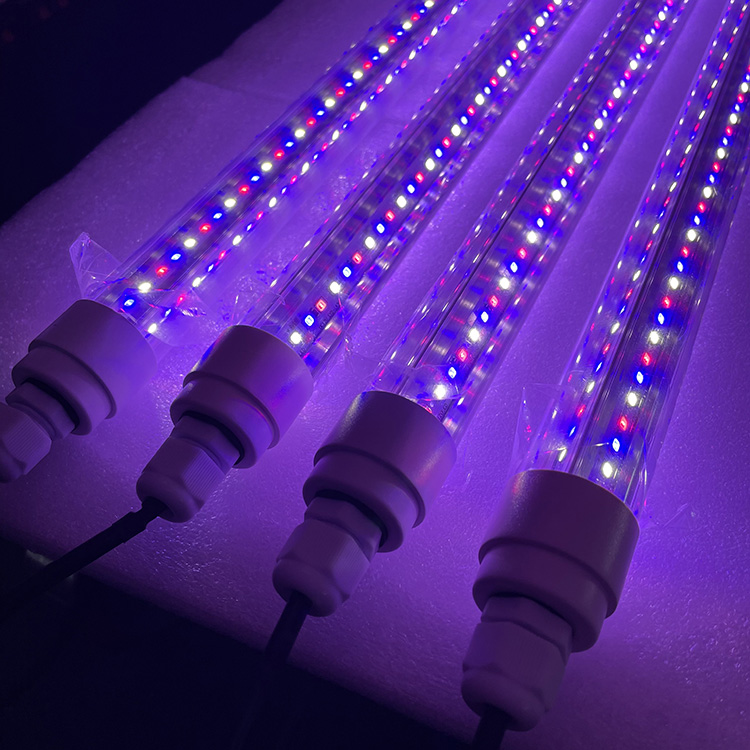
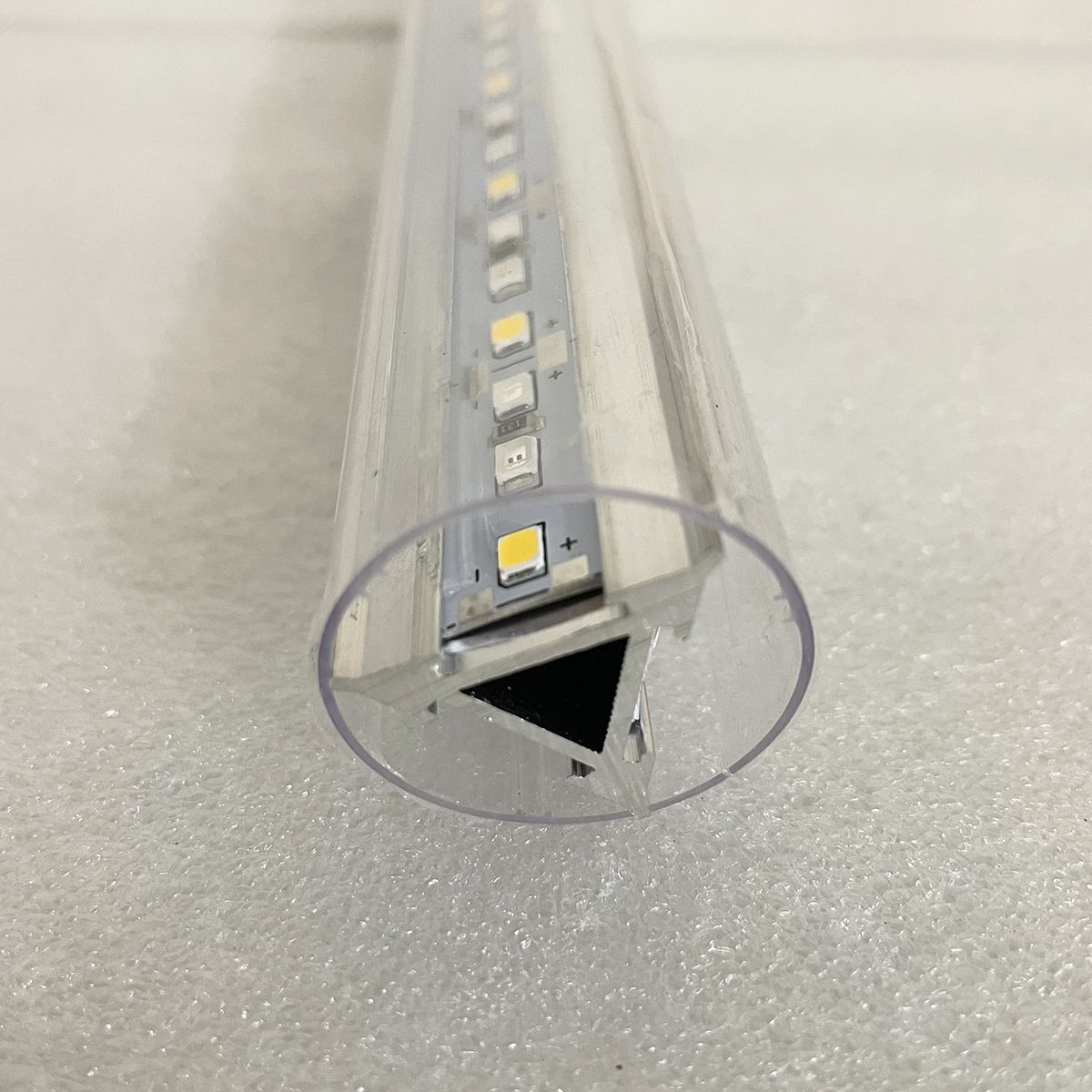
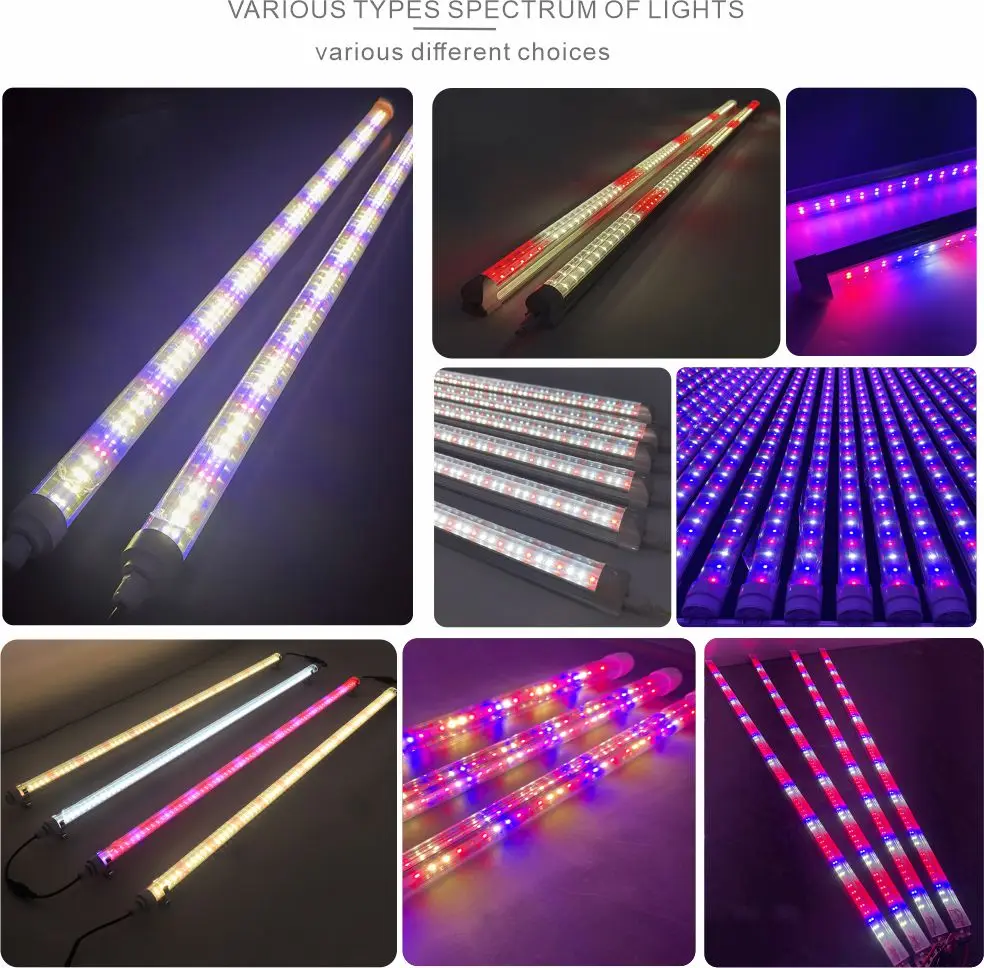
Research indicates that the most effective wavelengths for algae growth are concentrated within the blue light (400-500nm) and red light (600-700nm) ranges. Below is a detailed analysis:
Role: Blue light promotes the synthesis of chlorophyll, enhances photosynthetic efficiency, and regulates the morphological development of algae.
Application: Suitable for the early growth stages of algae, promoting cell division and primary metabolism.
Role: Red light is efficiently absorbed by photosynthetic pigments and serves as the primary energy source for photosynthesis, significantly increasing the biomass of algae.
Application: Suitable for the rapid growth phase of algae, promoting energy accumulation and biomass production.
The combination of blue and red light is considered the best choice for cultivating algae. The synergistic effects of these two wavelengths maximize photosynthetic efficiency while meeting the needs of algae at different growth stages.
Algae, as an important biological resource, has wide-ranging applications in fields such as food, energy, medicine, and environmental protection. To cultivate algae efficiently, light is one of the key factors, as the wavelength of light directly affects the photosynthetic efficiency and growth rate of algae. This article will provide a detailed introduction to the optimal wavelengths required for cultivating algae and explore how to select suitable light sources to achieve efficient cultivation.
Choose High Color Temperature White Light:
White light with a higher color temperature (e.g., 6500K) contains more blue light, making it more suitable for algae growth.
Increase Light Intensity:
Compensate for energy deficiencies by enhancing the light intensity.
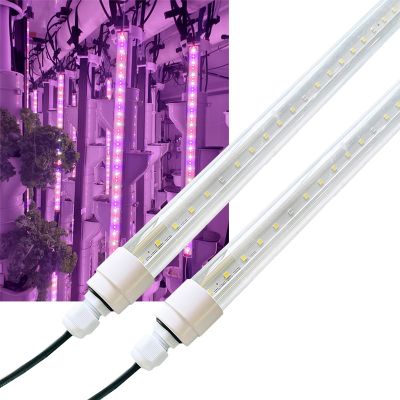
Combine with Dedicated Grow Lights:
Pair white light with blue and red LED grow lights to improve efficiency.
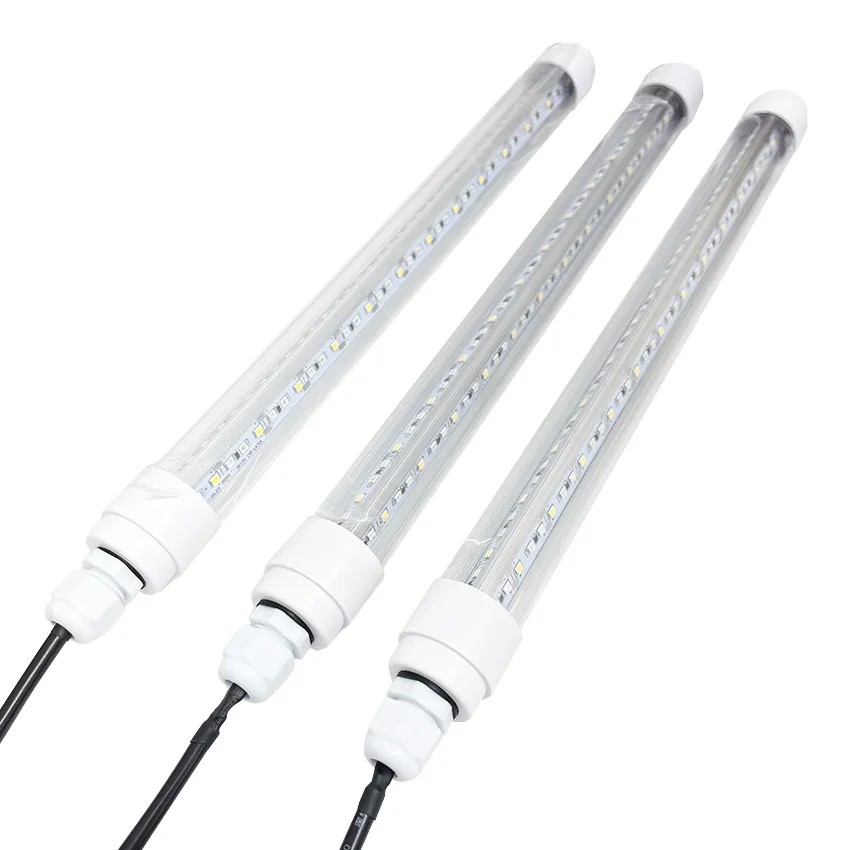
Guangzhou Yuhui Lighting Industrial Co.,Ltd its brand name “Zeestarled” has been a sophisticated designer, manufacturer and supplier of topnotch LED Lighting. Your reliable partner for OEMS LED Lighting for worldwide...[ read more ]


Contact Person: Doris
Wehcat/Whatsapp:008618814100389
E-mail:doris@zeestarled.com
Address:No.602, Building B, Canbo Science Park, No.66, Yayao Road(Middle), Huadu District, Guangzhou 510805, China.